The Technology Stack Behind Modern Digital Gaming Platforms
Modern digital gaming platforms rely upon an impressive and complex technology stack to ensure that players can enjoy the highest quality of gaming experience. As digital capabilities have expanded, the availability of highly immersive and engaging games has become standard.
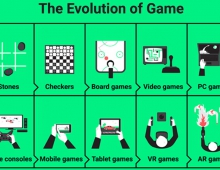
When online gambling platforms first launched, they involved simple graphics and very limited interaction, for example, clicking a mouse to turn a card was the only point of interaction. Fast forward to 2026 and we now have VR-enabled casino games, where players can interact with the environment, walk around the casino floor and enjoy a gaming experience that closely replicates a real-life visit to a physical casino.
To support this level of gaming design sophistication, the tech stack has a lot of work to do. As well as having powerful frontend and backend technology, online casino platforms also require many other tech solutions, including security, compliance and payment infrastructures.
This is an overview of the key elements of the tech stack behind modern digital gaming platforms:
Frontend UX Layer
This is crucial to the gaming experience as it is the layer that the player interacts with. The tech that is involved in this layer typically involves mobile apps, live dealer interfaces and account dashboards. With the growing number of players who prefer to access online casinos through their mobile devices, many casinos prioritize the mobile gaming experience and low latency is a key requirement to deliver an optimal gaming experience. This layer incorporates WebSockets and real-time rendering systems.
Backend Architecture
The backend architecture includes systems that support player accounts, game servers required to run games and generate outcomes, and real-time data systems to process gameplay events.
Within the backend, there are also security systems monitoring suspicious activity, including AI systems that automate monitoring. Identity verification also sits within the backend infrastructure, with solutions that include passport scanners.
Complying with regulations is at the core of many of the systems involved in the backend layer. Non-compliance with regulations can result in licenses being removed from operators, so there is huge importance in the quality of security solutions and payment gateways.
The backend also contains APIs which connect the platform to third party systems such as payment companies and ID verification systems. Cloud infrastructure is becoming more common within the online casino industry, using providers such as Google Cloud, Microsoft Azure and Amazon Web Services to support high volumes of users.
How the Tech Stack Supports Regulatory Compliance
To be issued with a casino operating license, casinos must meet the strict rules set out by the regulators of the country that they are operating within. In many countries, geo restrictions must be applied to prevent players accessing the platform from countries where gambling is illegal.
The backend layer of modern gaming platforms uses geolocation systems to identify where the player is physically based. Some players try to get around this by using VPNs and in some countries, casino operators are required to deny access from users with VPNs.
Another regulatory requirement for casinos in countries such as Canada is to provide responsible gambling tools. You can see how this works at the Impressario Casino site, where users can access tools that allow them to set gambling limits and self-exclude themselves if they reach a certain deposit amount or they can limit session playing times.
The backend also monitors player behavior to identify patterns that indicate problem betting and sends automated messages to warn players if they are demonstrating unusual spending.
Why Tech Standards Requirements for Online Casinos are Increasingly Complex
The tech stack behind modern gaming has to support 24/7 gaming and as new technology like VR and live dealer games have become more popular, the complexity around the infrastructure behind this grows too. Users expect minimal downtime and low latency, and casinos that do not meet expectations will frustrate users.
With the level of competitiveness in the casino industry, casino operators cannot afford to fall short of these user expectations so there is a high dependence on a solid tech stack.
More players are exploring the greater immersivity of live dealer games, which have a larger reliance on advanced tech solutions. Real-time video streaming requires sophisticated setups including HD cameras, streaming servers and low-latency networks to ensure that the user experience remains high without delays or visual issues during gameplay.
As you can see, the tech stack behind online gaming platforms has many different elements and UX expectations and regulatory updates drive a need for frequent enhancements and updates.