SoundPeats C30
5. Conclusion
Competitive Landscape
Model |
Price |
ANC |
Codecs |
Battery |
Key Differentiator |
SoundPeats C30 |
$35–45 |
14/20 |
LDAC, AAC |
52h |
BT 6.0, IP54, LDAC at price; requires EQ setup |
SoundPeats T3 Pro |
$29–35 |
15/20 |
AAC, SBC |
45h |
Better ANC on irregular sounds; more natural vocals out of box |
Soundcore R60i NC |
$35–45 |
14/20 |
AAC, SBC |
55h |
Superior app ecosystem; thicker, more energetic sound signature |
Baseus BP1 Pro |
$30–40 |
14/20 |
LDAC, AAC |
50h |
Warmer, more vocal-forward tuning; better for midrange lovers |
QCY MeloBuds N70 |
$50–70 |
12/20 |
LDAC, AAC |
46h |
Thicker sound; costs more, weaker ANC than C30 |
CMF Buds 2 |
$30–40 |
10/20 |
AAC, SBC |
35h |
Cleaner midrange; weaker ANC; no LDAC |
C30 vs SoundPeats T3 Pro
The T3 Pro is the C30's closest internal reference point. The C30 wins on battery (+7h total), water resistance (IP54 vs IPX4), codec breadth (LDAC), and constant-noise ANC. The T3 Pro counters with a slightly better ANC score on irregular sounds (15/20 vs 14/20), a more natural midrange presentation out of the box, and a lower price. For buyers who hate EQ setup and prioritize natural vocals, the T3 Pro is the easier recommendation. For buyers who want the full connectivity and codec stack, the C30 is the better choice.
C30 vs Soundcore R60i NC
The Soundcore is the C30's toughest competitor at the same price tier. It offers slightly longer per-charge battery (8.5 vs 7.5 hours with ANC), a deeper app ecosystem including live language translation and soundscape generation, and a thicker, more energetic default sound. The C30 wins on constant-noise ANC performance, transparency mode naturalness, and the inclusion of LDAC and BT 6.0. The choice between them comes down to app ecosystem depth (Soundcore) versus codec and connectivity hardware (C30).
C30 vs Baseus BP1 Pro
Closely matched on ANC (both 14/20), battery, codec support, and water resistance. The Baseus offers a warmer, more vocal-forward tuning that will suit listeners who find the C30's default midrange recessed and don't want to engage the EQ. The C30 has tighter bass and a more effective transparency mode.
C30 vs QCY MeloBuds N70
The N70 costs considerably more ($50–70) and delivers weaker ANC (12/20). The C30 outperforms it on noise cancellation and matches or exceeds it on most other metrics. The N70 offers a slightly thicker sound and better call clarity in challenging wind conditions, but at a premium that is hard to justify given the C30's ANC advantage.
Verdict
The SoundPeats C30 is one of the most technically ambitious sub-$50 earbuds available in early 2026 — and its ambition is largely backed by real-world performance, provided setup is treated as part of the product experience rather than an optional extra.
The hardware case is strong. Bluetooth 6.0 places the C30 at the current connectivity frontier. LDAC delivers audible hi-res improvement on Android. The hybrid ANC is genuinely effective at the noise types that matter most for daily life — office HVAC, commuter transit, aircraft. IP54 water resistance removes gym and weather concerns. The 52-hour battery with 10-minute fast charge is outstanding at any price, let alone this one. These are not marketing claims dressed up as features; they are functional advantages that differentiate the C30 from most of its direct competition.
The caveats are real but manageable. The default sound tuning requires correction — the elevated mid-bass makes the presentation hollow and congested out of the box, and EQ engagement is mandatory rather than optional to access the drivers' full capability. The case is the weakest element of the product: thin, slippery, and fitted with magnets too weak for confident earbud extraction. ANC works against constant, low-frequency noise but provides minimal benefit against voices, water, and wind. Transparency mode is present but offers little practical isolation improvement over Normal mode. And when ANC is active during calls, it bleeds into the microphone signal — disabling ANC before calls is the straightforward fix, but it needs to be a habit.
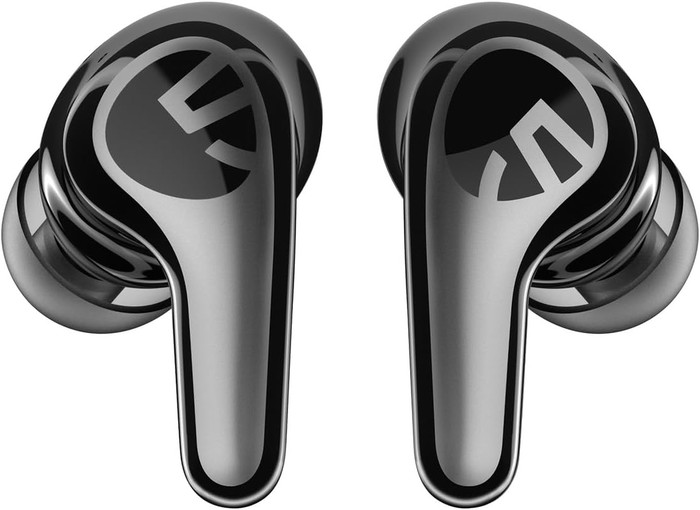
Satisfaction with the C30 is strongly tied to purchase price and setup investment. At $30–40, the value-to-specification ratio is exceptional and difficult to beat in the segment. At $45–55, the same weaknesses feel less forgivable. For commuters, students, remote workers, and Android users who listen to music seriously, the C30 rewards patience with the setup process. For buyers who want great sound immediately with no configuration, a cheaper alternative with better default tuning — like the SoundPeats T3 Pro — is the more honest recommendation.
Recommended For: Commuters, remote workers, Android LDAC users, gym and sport use (IP54), buyers willing to spend 5 minutes on EQ setup
Not Ideal For: Buyers expecting great sound out of the box without EQ; LDAC + multipoint simultaneously; situational awareness via transparency mode; professional call quality with ANC active
Score Summary
Category |
Score |
Notes |
Sound Quality |
8.2 / 10 |
Excellent post-EQ; default tuning is mid-bass-heavy and requires correction |
ANC Performance |
8.0 / 10 |
14/20 structured score; strong on constant noise, weaker on irregular sources |
Transparency Mode |
6.5 / 10 |
Functional but difficult to distinguish from Normal mode in practice |
Microphone |
7.5 / 10 |
Clear in quiet/moderate environments; disable ANC for calls to avoid signal bleed |
Battery Life |
9.5 / 10 |
52h total / 7.5h ANC-on; 10-min fast charge is outstanding at this price |
Connectivity |
8.8 / 10 |
BT 6.0 with reliable multipoint; LDAC/multipoint mutually exclusive |
App & Software |
8.0 / 10 |
Feature-rich; adaptive EQ is a standout; EQ reset bug and slow load are weaknesses |
Design & Fit |
8.0 / 10 |
Comfortable and stable for most; case feels budget-grade; slippery surface |
Build Quality |
7.5 / 10 |
Earbuds feel solid; case is thin plastic with weak magnets |
Value for Money |
9.5 / 10 |
Exceptional at $30–40; impressive spec-to-price ratio at any sub-$50 price |
Overall Score: 8.4 / 10 | Market Consensus: 4.5 / 5 stars
Pros
- Bluetooth 6.0 — future-proofed connectivity stack
- LDAC / Hi-Res Audio — audible detail improvement on Android
- 52-hour total battery / 10-min fast charge
- IP54 water resistance — gym, rain, and sweat proof
- Effective ANC on constant and low-frequency noise
- Adaptive EQ hearing test transforms the sound signature
- Extensive app: remapping, drainage mode, gaming mode
- Warm, detailed, spacious sound with excellent separation post-EQ
- Comfortable, stable fit for most ear sizes including small ears
- ANC improved substantially via firmware updates post-launch
Cons
- LDAC disables multipoint and gaming mode simultaneously
- Battery drops to ~4.5 hrs with LDAC active
- Default sound is too mid-bass-heavy; EQ required for best performance
- Case is thin plastic: slippery, weak magnets, strong lid closure
- ANC weaker on high-frequency and irregular sounds (voices, wind, water)
- ANC interferes with microphone signal during calls — disable ANC for calls
- EQ settings may reset when earbuds are re-inserted in case
- Transparency mode difficult to distinguish from Normal mode in practice
- App slow to load; requires account registration
- Sound quality divisive among fans of older SoundPeats models