Breaking News

Razer Unleashes the Kraken V4 X Sensa HD Haptics Sony Rewrites the Rules of Super-Telephoto: Announces World's Lightest 400mm and 600mm G Master Primes Transcend Debuts High-Performance 64GB DDR5-6400 CUDIMM & CSODIMM Embedded DRAM Modules Micron Unveils World's First 512GB Ultra-Dense DDR5 Module for Next-Gen Servers Fujifilm Officially Introduces the instax Pal 2 Digital Camera

logo

  • Share Us
    • Facebook
    • Twitter
  • Home
  • Home
  • News
  • Reviews
  • Essays
  • About
    • Submit News

    • Contact Us
    • Privacy

    • Promotion
    • Advertise

    • RSS Feed

Search form

ALD Technology Chosen By Samsung, LG For Flexible OLEDs

ALD Technology Chosen By Samsung, LG For Flexible OLEDs

Enterprise & IT Sep 23,2016 0

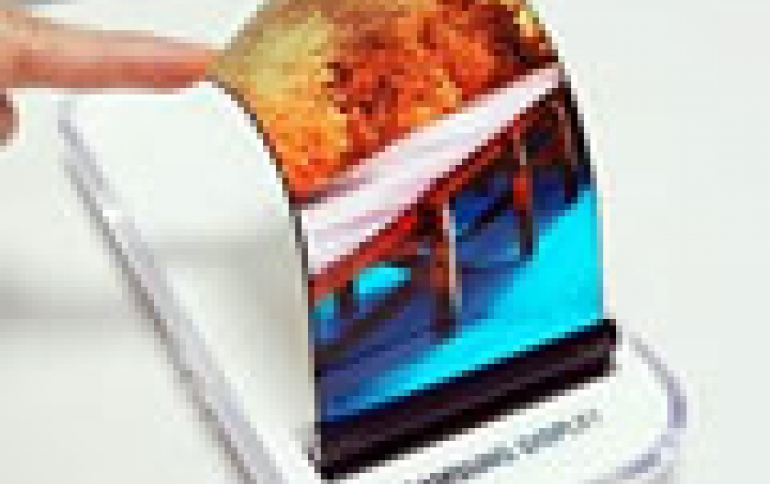
Samsung Display and LG Display are planning to use the Atomic Layer Deposition (ALD) technology on the flexible OLED thin-film encapsulation process, in order to increase the durability of the new advanced displays. ALD is a Chemical Vapor Deposition technique. It injects raw materials including ALD metals and responsive gas alternatively and forms thin films in atomic level. When it is applied using the MLD (Molecule Layer Deposition) technology that forms organic materials in molecular level, many layers of barriers that protect OLEDs from water and oxygen can be formed even in low temperatures. So the
ALD technology protects a display's organic materials from oxygen and water, contributing to a longer life and performance of a flexible OLED panel.

According to etnews.com, LG Display has finished the research on ALD and ha started development to introduce the ALD technology into flexible OLED process, while Samsung Display is also working fast on introducing ALD technology.

Generally PECVD (Plasma-Enhanced Chemical Vapor Deposition), sputtering, and ALD technology can be used for inorganic thin-film encapsulation while Kateeva’s inkjet printing technology is used for organic thin-film deposition. Both Samsung Display and LG Display use the PECVD technology for forming inorganic thin films.

However, the companies are now turning to the ALD technology instead of PECVD in order to create larger flexible OLEDs, with a longer lifetime and performance.

The display industries have been avoiding introducing ALD since it costs more than PECVD and there are problems regarding application onto large areas and speed of deposition.

"..the speed of ALD deposition is approximately 10 times slower than PECVD," said a representative for an industry. "Although low productivity from low deposition speed and application onto large areas are the biggest obstacles, the possibility of actually introducing ALD technology is something to think about if it can form thin films with high quality even thinner."

Tags: flexible displaysOLED displays
Previous Post
Apple Develops Amazon Echo-Style Device
Next Post
TSMC To Use Different Processes And 3D Packages Across Future Design Platforms

Related Posts

  • SCHOTT Introduces the Xensation Flex Glass for Foldable Displays

  • LG Display’s Transparent OLED to Debut on TV

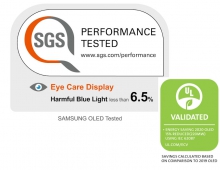
  • Samsung Display's OLED For Smartphones Gain International Certifications

  • LG Display’s OLED TV Displays Receive “Low Blue Light Display (OLED)” Verified Mark from UL

  • Royole Unveils New Products at CES 2020

  • New iPhones to Use BOE's OLEDs: report

  • Sharp to Showcase its 8K+5G Ecosystem and AIoT at CES 2020

  • Samsung Display Expects 5G Smartphones to Boost Company's Revenue

Latest News

Razer Unleashes the Kraken V4 X Sensa HD Haptics
Consumer Electronics

Razer Unleashes the Kraken V4 X Sensa HD Haptics

Sony Rewrites the Rules of Super-Telephoto: Announces World's Lightest 400mm and 600mm G Master Primes
Cameras

Sony Rewrites the Rules of Super-Telephoto: Announces World's Lightest 400mm and 600mm G Master Primes

Transcend Debuts High-Performance 64GB DDR5-6400 CUDIMM & CSODIMM Embedded DRAM Modules
Enterprise & IT

Transcend Debuts High-Performance 64GB DDR5-6400 CUDIMM & CSODIMM Embedded DRAM Modules

Micron Unveils World's First 512GB Ultra-Dense DDR5 Module for Next-Gen Servers
Enterprise & IT

Micron Unveils World's First 512GB Ultra-Dense DDR5 Module for Next-Gen Servers

Fujifilm Officially Introduces the instax Pal 2 Digital Camera
Cameras

Fujifilm Officially Introduces the instax Pal 2 Digital Camera

Popular Reviews

Endorfy Thock V2 Wireless Keyboard

Endorfy Thock V2 Wireless Keyboard

The Quiet Technology Behind the Spin

The Quiet Technology Behind the Spin

SoundPeats Cove Pro

SoundPeats Cove Pro

Akaso Brave 8 Lite

Akaso Brave 8 Lite

Kioxia Exceria Plus G3 512GB microSD

Kioxia Exceria Plus G3 512GB microSD

be quiet! Dark Perk Mice

be quiet! Dark Perk Mice

SoundPeats C30

SoundPeats C30

XbotGo Chamaleon

XbotGo Chamaleon

Main menu

  • Home
  • News
  • Reviews
  • Essays
  • About
    • Submit News

    • Contact Us
    • Privacy

    • Promotion
    • Advertise

    • RSS Feed
  • About
  • Privacy
  • Contact Us
  • Promotional Opportunities @ CdrInfo.com
  • Advertise on out site
  • Submit your News to our site
  • RSS Feed