
In the Age of AI Phishing, the Best User Experience Might Be the One That Feels Safest
AI has delivered many great benefits such as improved online user experience and more efficient processes across businesses and in everyday life.
The introduction of AI enabled technology has helped to create more personalized experiences for digital users, from shopping recommendations that better meet individual preferences to displaying TV shows based on past viewing history. Even social media content has become honed around individual preferences, with algorithms providing content cycles based on the type of content that the user has previously shown interest in.
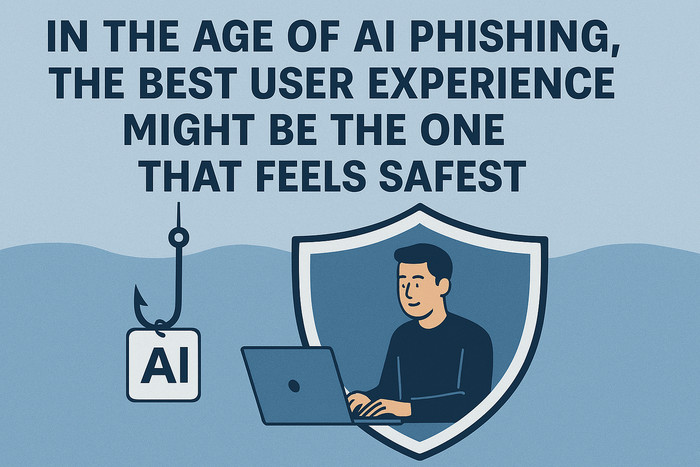
Consumers no longer have to spend large amounts of time searching for what they want, AI has helped to digitally pre-package this for them, using algorithms to make highly personalized recommendations.
There is no doubt that AI has enhanced the user experience across multiple layers but there is a downside to AI too. Cyber criminals have also been able to leverage the power of AI to develop sophisticated scams, tricking online users into sharing login credentials or persuading users to share sensitive information.
Examples of Recent AI Scams
AI phishing is a growing concern, with scammers utilizing AI to curate realistic emails or messages that replicate the writing style of the individual they are impersonating. It is not just written communication scams that criminals are using AI to generate, they are also using videos and voice notes that feel authentic with accurate physical features and voice.
They can use AI to create fake videos that seem realistic or voice notes that sound just like the personal being impersonated. They use content that has been posted online via channels such as social media to gather the graphics or sounds and use generative AI software to make the scam convincing. This could be a message cloning someone’s boss requesting them to urgently send a payment, for example.
Other AI scams include impersonating celebrities and asking people to invest in something or buy a product. AI is also being used to quickly develop fake websites that look just like the genuine websites they are replicating.
With the increasing sophistication of scams using AI, it is no surprise that users are becoming more wary of online content and are prioritizing online platforms that they can trust and feel safe using. Digital threats are becoming harder to detect as they get more sophisticated, so trust signals are more important than ever to digital users.
The historical user expectations of fast loading pages and easy navigation are no longer the main priorities, users want to be confident that websites they are visiting are trustworthy first and foremost.
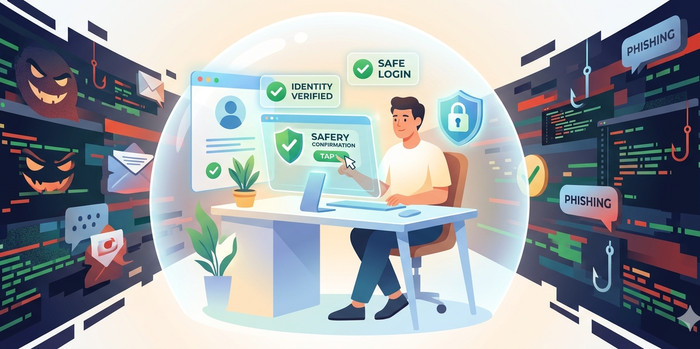
These are some of the trust signals that they are looking for:
Positive Reviews on Independent Sites
Users are becoming more aware that reviews can be faked by websites and that they should check reviews on independent review sites such as Trustpilot to get a genuine view of previous users’ experiences of the company.
Security Signals
Users also have greater awareness of security signals like the padlock symbol next to the URL address and the address starting with ‘https://’ to show that the site has a secure connection. However, even fake websites can have these security signals, so users still need to be vigilant with checking secure websites.
If you are making financial transactions on a website, such as making deposits on a casino platform, you can check the licensing details of the casino operator to verify that they are regulated. If they are licensed, this means they have passed strict tests around security measures. For example, on Tikal Casino you can see that they provide security technology details such as SSL encryption and they have strict data protection procedures in place.
Genuine Contact Details
One of the biggest indicators that a site is dangerous is if there are no contact details or if the contact details provided do not work or provide no response. Even professional looking email addresses can belong to fraudulent entities so before using a website for a purchase, users can perform company detail checks to ensure that they match the contact details on the website. For example, in the UK, limited companies are required to register with Companies House, and people can check the company details on the register to check they are authentic.
With scams becoming harder to spot, the user experience requirements have shifted and security and data privacy has become a key element of user experience priorities. Most users will only process payments or register with a website that they feel offers a high standard of protection, so digital platform providers are increasing their efforts to provide trust signals to retain and attract new customers.